April 22, 2026
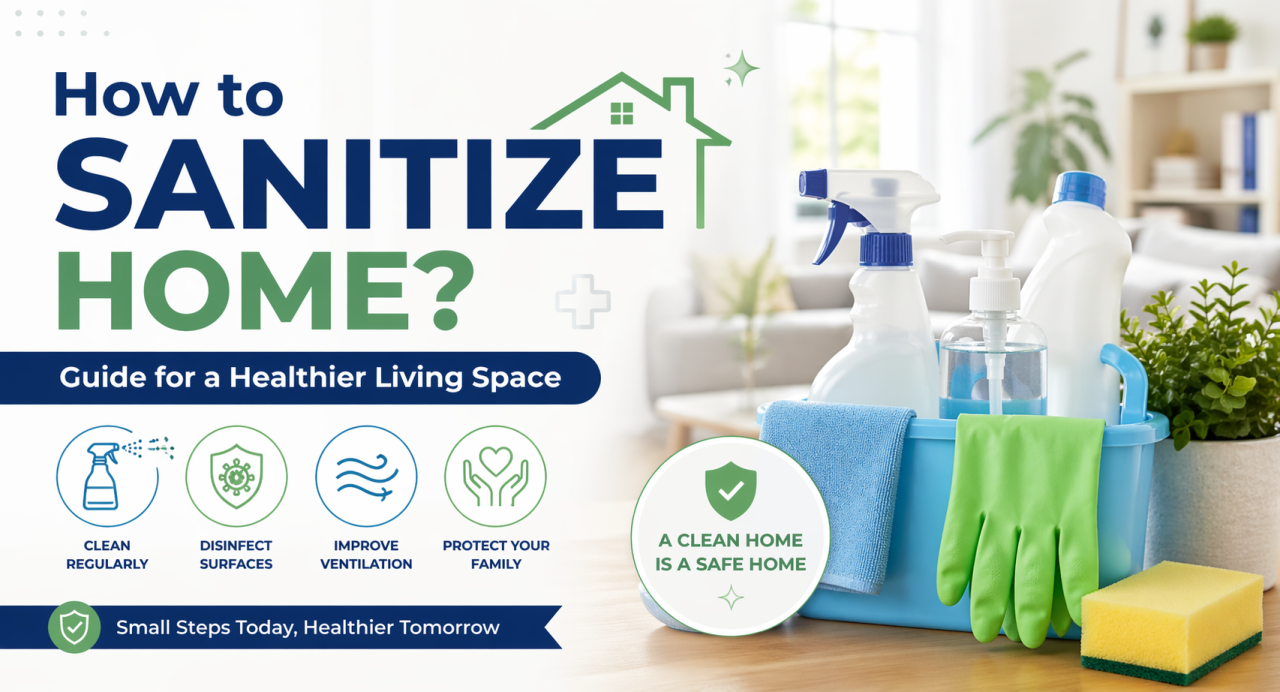
How to Sanitize Home? – Guide for a Healthier Living Space
Let’s start a discussion on how to sanitize home. It is crucial to ensure a clean and healthy home. Regular cleaning may remove dirt and dust, but infection control disinfects your environment to eliminate germs, bacteria and viruses that can impact your health. This complete guide will teach you everything there is to know about how to sanitize a home or how to sanitize a house correctly, if you are wondering how. restore their home and give it some space while doing so.
What Does It Mean to Sanitize a Home?
Sanitization of your home has more to it than cleaning. Disinfection is removing germs from surfaces to an acceptable level using disinfectants or a natural remedy. While cleaning removes visible dirt, sanitization kills many microorganisms that can cause disease.
Why Is Home Sanitization Important?
This proves the importance of knowing how to sanitize house as of October 2023.
- Prevents the transmission of infections and diseases
- It also promotes a healthier environment for your family.
- Reduces allergens and harmful bacteria
- Ensures better indoor air quality
- Offers reassurance when there has been a sickness or after travel
- Declutter and use soap or detergent to clean surfaces prior to sanitizing. Not only disinfectants lose their potency for dust, dirt and grease.
Read Related – Move-In/Move-Out Cleaning Checklist for a Stress-Free Transition
Step-by-Step Guide on How to Sanitize Home
1. Start with Decluttering and Basic Cleaning
Declutter and use soap or detergent to clean surfaces prior to sanitizing. Not only disinfectants lose their potency for dust, dirt and grease.
Tip: Always clean first, then sanitize.
2. Focus on High-Touch Surfaces
The germiest spots are the high-touch areas. Make sure to sanitize:
- Door handles and knobs
- Light switches
- Mobile phones and remotes
- Kitchen counters
- Bathroom fixtures
- Tables and chairs
These surfaces should be disinfected as well using spray or wipes.
3. Use the Right Sanitizing Products
How to sanitize home Choosing the right products You can use:
- Disinfectants with more than 70% alcohol base
- Bleach solutions (diluted properly)
- EPA-approved disinfectants
- Mild Sanitizer, such as Vinegar or Baking Soda
Safety always reads you products guide for use the right way and effectively
4. Pay Special Attention to the Kitchen
The kitchen is a hotspot for bacteria due to food handling.
Sanitize these areas:
- Countertops
- Cutting boards
- Sink and faucet
- Refrigerator handles
Make sure to disinfect surfaces after preparing raw food.
5. Sanitize Bathrooms Thoroughly
Bathrooms require deep sanitization due to moisture and frequent use.
Focus on:
- Toilet seats and flush handles
- Washbasins
- Taps and shower areas
- Floor tiles
Use strong disinfectants to kill bacteria and prevent mold growth.
6. Don’t Forget Soft Surfaces
Although hard surfaces are easy to disinfect, soft surfaces are also important.
- Wash curtains, bedsheets and cushion covers regularly
- Vacuum sofas and carpets
- Use fabric-safe disinfectant sprays
7. Improve Ventilation
Adequate air circulation is critical for hygiene. Open windows and doors to promote air circulation and help dilute airborne toxins.
8. Maintain a Regular Sanitization Schedule
Consistency is key when it comes to sanitization.
- Daily: High-touch surfaces
- Weekly: Floors, bathrooms, and kitchen deep cleaning
- Monthly: Curtains, carpets, and hidden areas
Natural Ways to Sanitize Your House
If you prefer eco-friendly solutions while learning how to sanitize house, try these:
- Vinegar and water solution for surfaces
- Baking soda for scrubbing
- Lemon for natural antibacterial properties
- Steam cleaning for deep sanitization without chemicals
These methods are safe, cost-effective, and environmentally friendly.
Common Mistakes to Avoid
When figuring out how to sanitize home, avoid these mistakes:
- Skipping the cleaning step before sanitizing
- Using too much or too little disinfectant
- Not allowing enough contact time for disinfectants
- Ignoring frequently touched items
- Mixing cleaning chemicals (can be dangerous)
When Should You Consider Professional Sanitization?
Although the DIY route has a lot of merit, there are occasions when it is more appropriate to opt for professional services.
- After illness in the household
- Moving into a new home
- Post-construction cleaning
- Deep-cleaning requirements for companies and big rooms
Cleaning experts have access to the latest equipment, technology and hospital-grade disinfectant for complete sanitation.
Read Also – Professional End of Lease & Bond Cleaning in Adelaide
Final Thoughts
Whether you are: knowing how to sanitize home or how to disinfect a house is key! You can keep a much lower risk of infections and improve your life by using the right steps, effective products for cleaning, implementing a recurrent cleaning schedule to get rid of germs as soon as you identify them.
Whether you decide to perform the home cleaning yourself or hire a handyman, the secret is the same: diligence. A good home sanitization is more than just clean; it is one where you and your family will feel completely safe.